
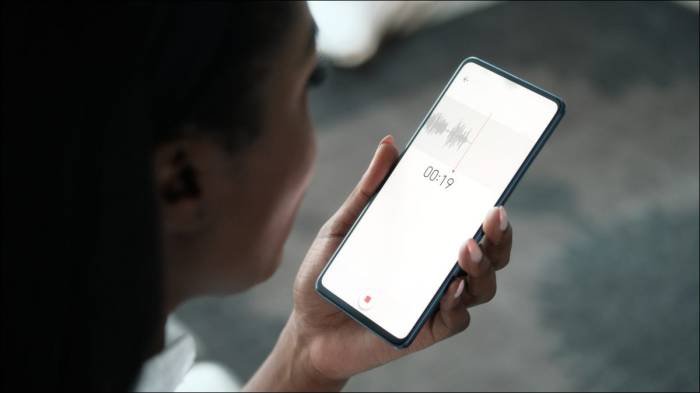
Nuwun sewu, sugeng rawuh! Pernahkah panjenengan ngalami rapat sing dawa, banjur bingung kepiye carane ngolah informasi penting sing ana ing rekaman suara? Aplikasi Catatan Suara Meeting ke Tugas: Otomatis Masuk To-Do hadir minangka solusi ingkang prasaja, nanging ampuh kanggo ngatasi masalah kasebut. Aplikasi iki bakal ngowahi rekaman rapat dadi dhaptar tugas sing terstruktur lan siap kanggo dieksekusi.
Table of Contents
Kanthi aplikasi iki, panjenengan ora perlu maneh nyathet manual utawa ngenteni suwe kanggo nggawe dhaptar tugas sawise rapat. Teknologi pengenalan suara (speech-to-text) bakal ngowahi rekaman suara dadi teks, sing banjur bisa diintegrasi karo sistem daftar tugas (to-do) favorit panjenengan. Bayangake, wektu sing sadurunge kanggo nyathet lan ngolah informasi saiki bisa digunakake kanggo nindakake tugas sing luwih penting. Iki minangka langkah maju kanggo ningkatake efisiensi lan produktivitas.
From Meeting Mumbo Jumbo to Task Master: Level Up Your To-Do List Game: Aplikasi Catatan Suara Meeting Ke Tugas: Otomatis Masuk To-Do
Source: com.my
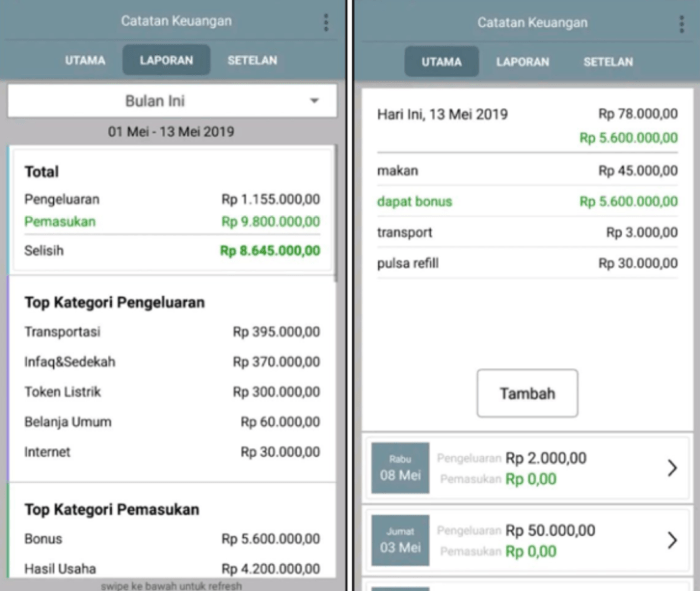
Yo, listen up! We’re about to dive into a game-changer for all you high schoolers juggling projects, clubs, and a social life. Forget frantically scribbling notes during meetings and then staring blankly at a to-do list that’s a total mess. We’re talking about turning those voice recordings into a streamlined, super-efficient task management system. It’s like having a personal assistant that never sleeps and always knows what’s up.
This isn’t just about taking notes; it’s about maximizing your time and crushing your goals. Get ready to ditch the chaos and embrace the organized life. It’s gonna be lit!
Weh, aplikasi catatan suara meeting ke tugas? Mantap kali dah, biar gak ketinggalan info penting. Tapi, gimana cara nulis poin-poin pentingnya biar cepet? Nah, solusi jitu nih, pake aplikasi pengolah teks di HP. Bisa draft cepet, langsung sinkron lagi ke Google Docs atau Word.
Jadi, habis meeting, langsung deh catat poin-poinnya, trus masukin ke to-do list. Gampang kan? Gak perlu lagi tuh ngetik ulang dari awal!
Transforming Voice Memos into Action Items
So, what’s the big deal about turning those voice memos into a structured to-do list? It’s all about saving time, boosting productivity, and keeping your head above water. Imagine, no more scrambling to remember what was said in that club meeting or forgetting the action items from your study group session. With the right tools, you can transform audio recordings into actionable tasks in a snap.
- Instant Recall: Easily revisit important details without re-listening to the entire recording.
- Actionable Insights: Quickly identify and extract key tasks, deadlines, and assignments.
- Seamless Integration: Directly sync tasks with your existing to-do list apps, calendars, and project management tools.
- Boost Productivity: Reduce the time spent on manual note-taking and data entry, freeing up your time for more important things.
Let’s say you’re in a debate club meeting. You record the session, and afterward, the app automatically creates tasks like “Research counter-arguments for the next debate,” “Prepare opening statement,” and “Coordinate with Sarah on the visual aids.” Boom! Your to-do list is instantly populated, and you’re ready to slay the debate.
This automation saves you serious time and effort. No more spending hours transcribing notes or trying to decipher your handwriting. Instead, you can focus on the actual work.
Here’s a quick comparison between old-school note-taking and the automated way:
| Feature | Manual Note-Taking | Automated Note-Taking | Benefits |
|---|---|---|---|
| Time Investment | High (Transcribing, organizing) | Low (Automatic transcription and task creation) | Saves significant time and effort |
| Accuracy | Variable (Dependent on handwriting and memory) | Generally accurate (with speech-to-text technology) | More reliable information capture |
| Organization | Requires manual effort | Automatic task creation and organization | Improved clarity and focus |
| Integration | Requires manual data entry | Seamless integration with to-do lists and calendars | Enhanced workflow and productivity |
Speech-to-text (STT) tech is the real MVP here. It’s the magic that turns your spoken words into written text. Imagine recording a study group session, and the app instantly spits out a transcript. This transcript is then analyzed to identify action items, assignees, and deadlines. This is how the automation works, making your life a whole lot easier.
Killer Features for a Rad Voice Memo App
Source: bamsbung.id
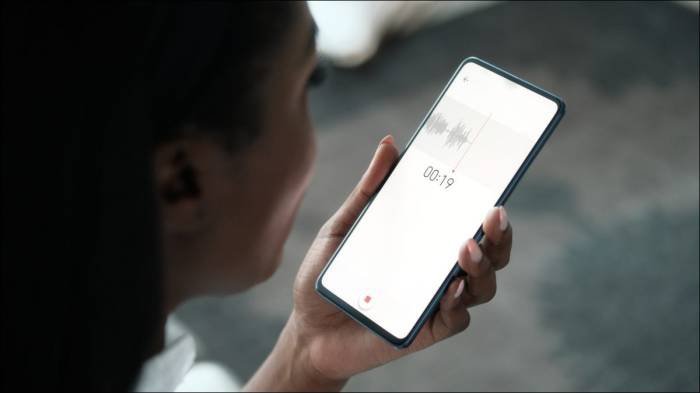
To make sure your voice memo app is totally awesome, it needs some serious features. Think of it like building the ultimate gaming rig – you need the right components to get the best performance. Here’s what to look for:
- Accurate Speech-to-Text: This is the heart of the operation. The app needs to accurately transcribe your words, even with background noise. The better the transcription, the better your tasks will be.
- Timestamping: This is like having a built-in navigation system. You can click on a word in the transcript, and the audio jumps right to that point. This makes it super easy to find specific moments in the recording.
- Speaker Identification: Knowing who said what is crucial, especially in group settings. This feature labels each speaker, making it easy to follow the conversation and assign tasks.
- Note-Taking Capabilities: You should be able to add your own notes and annotations directly within the app. This is great for adding context, clarifying points, or highlighting important information.
- Calendar Integration: Syncing with your calendar lets you schedule tasks and set reminders. No more missed deadlines!
Here’s how these features work in action:
- Speech-to-Text: You record a club meeting, and the app accurately transcribes everything.
- Timestamping: During a project brainstorming session, you can instantly jump to a specific idea by clicking on a word in the transcript.
- Speaker Identification: The app identifies who suggested a specific action item, making it easy to assign responsibility.
- Note-Taking: You can add your own notes like, “This is a critical point to address in the next presentation.”
- Calendar Integration: The app automatically schedules the presentation rehearsal for the following week.
Level Up Your To-Do List: Integration is Key, Aplikasi Catatan Suara Meeting ke Tugas: Otomatis Masuk To-Do
Now, let’s talk about how to make your voice memo app play nice with your to-do list. This is where the real magic happens, turning those audio recordings into a well-organized plan of attack. We’re talking seamless integration, like a perfect mixtape.
The cool apps out there connect with popular to-do list systems like Todoist, Trello, and Microsoft To Do. The goal is to automate the process of sending tasks from your voice notes directly into your to-do list. Here’s how it typically goes down:
- Record Your Meeting: Start recording your meeting or study session.
- Transcription and Analysis: The app transcribes the audio and identifies action items.
- Task Creation: The app automatically creates tasks based on the identified action items.
- Integration with To-Do List: Tasks are automatically sent to your chosen to-do list app.
- Customization: You can adjust the priority, due dates, and assignees of each task.
Imagine this scenario:
You’re in a study group. During the session, someone says, “We need to finish chapter 5 by Friday.” The app automatically creates a task in your to-do list: “Finish chapter 5,” with a due date of Friday. You can then assign it to yourself or someone else in the group.
Guys, tau ndak sih, aplikasi catat suara meeting tu emang ngebantu banget buat bikin to-do list. Tapi biar hidup makin teratur, apalagi soal kebiasaan, coba deh cek Aplikasi Habit Tracker 2025: Template Harian yang Bikin Konsisten. Dijamin, abis pake itu, hidup lo bakal lebih konsisten. Nah, balik lagi ke soal meeting, dengan catatan suara yang oke, semua tugas jadi lebih jelas dan ga ada yang kelewat.
This integration is all about efficiency. It eliminates the need to manually create tasks, saving you time and energy. It also ensures that no action items slip through the cracks.
The key is to find an app that seamlessly integrates with your existing workflow. Check the app’s settings to customize how tasks are created and synced. This includes setting default due dates, assigning tasks to specific people, and setting priorities. You can customize everything to match your style.
Dealing with the Real-World: Overcoming Automation Roadblocks
Even with the best tech, there are bound to be a few bumps in the road. The good news is, you can overcome these challenges and keep your productivity on track. Let’s break down some common issues and how to solve them.
- Poor Audio Quality: If the recording is muffled or filled with background noise, the transcription will be garbage.
- Inaccurate Transcription: Speech-to-text isn’t perfect, and errors can happen.
- Privacy and Security Concerns: You need to make sure your data is safe and secure.
Here’s how to tackle these issues:
- Use a High-Quality Microphone: Record in a quiet environment. Use a headset or external microphone for better audio clarity.
- Review and Edit Transcripts: Always review the transcript for accuracy. Most apps allow you to edit the text.
- Choose a Secure App: Make sure the app uses encryption and follows privacy best practices. Check the app’s privacy policy.
- Adjust App Settings: Many apps allow you to customize settings to improve transcription accuracy. Experiment with these settings.
Here’s a case study:
A student consistently had trouble with inaccurate transcriptions because of noisy environments. They started using noise-canceling headphones during recordings and reviewing and correcting the transcriptions immediately after each meeting. This simple change significantly improved the accuracy of their to-do list, leading to better organization and time management.
By being proactive and addressing these challenges, you can ensure that your automated system runs smoothly and efficiently. It’s all about being prepared and making adjustments as needed.
Picking the Right App: The Ultimate Guide
Choosing the right voice memo app is crucial. You want something that’s easy to use, packed with features, and integrates seamlessly with your existing tools. Here’s a breakdown of what to look for:
- Ease of Use: The app should have a clean and intuitive interface. You don’t want to spend hours figuring out how to use it.
- Features: Make sure it has all the features you need, such as accurate speech-to-text, timestamping, and speaker identification.
- Integration: The app should integrate with your favorite to-do list apps, calendars, and other tools.
- Pricing: Consider whether you need a free or paid version.
There are free and paid options out there. Free apps often have limited features or storage space. Paid apps typically offer more advanced features, higher accuracy, and more storage. Think of it like choosing between a basic phone and a premium smartphone – both get the job done, but the premium one offers a lot more.
Here’s a quick comparison of some popular apps:
| App Name | Key Features | Pros | Cons |
|---|---|---|---|
| Otter.ai | Real-time transcription, speaker identification, integrations with Zoom, Google Meet, and more | Accurate transcription, great for team collaboration | Limited free plan, can be pricey for heavy users |
| Notta | Transcribes audio in real-time, supports multiple languages, integrates with various apps | User-friendly, great for quick notes | Transcription accuracy can vary, limited free plan |
| Google Recorder | Free, built-in on many Android devices, automatic transcription | Completely free, simple to use | Limited features compared to paid apps |
| Fireflies.ai | Meeting recording, transcription, and summarization, integrations with various apps | Good for meetings and project management | Can be expensive, may require some learning |
Before you commit, always test drive the app. Try out the free version (if available) or take advantage of any free trials. Record a few test meetings or study sessions to see how well the app works for you. This will give you a feel for the interface, the accuracy of the transcription, and the overall workflow. This will help you decide if the app is a good fit for your needs.
Real-World Wins: How It’s Used in the Wild
This isn’t just some theoretical concept; people are using voice memo apps and to-do list integrations to crush it in all sorts of fields. From marketing to education, these tools are helping teams and individuals boost their productivity and achieve their goals. Here’s a taste of how it’s being used:
- Marketing: Marketing teams record brainstorming sessions and customer feedback calls. The apps transcribe the audio, identify key ideas, and create tasks for content creation, social media campaigns, and website updates.
- Education: Students record lectures and study group sessions. They use the apps to create detailed notes, highlight key concepts, and generate to-do lists for assignments and exam preparation.
- Consulting: Consultants record client meetings and use the apps to create action items for project deliverables, follow-up communications, and research tasks.
These apps can dramatically improve efficiency and collaboration. For teams, it’s like having a shared brain, ensuring that everyone is on the same page and that no task gets missed. For individuals, it’s about staying organized, managing your time effectively, and reaching your goals.
Here’s a look at the impact:
- Increased Productivity: By automating the note-taking process, users can focus on the content of the meetings and the actual work.
- Reduced Time Waste: Automating transcription and task creation frees up time that would otherwise be spent on manual tasks.
- Improved Collaboration: Teams can easily share meeting recordings and action items, promoting better communication and coordination.
- Enhanced Goal Achievement: By staying organized and on top of tasks, users are more likely to achieve their goals.